
.avif)
NOTE: These medications are prescribed to alleviate nausea and vomiting – common side effects, especially during the initial phases of treatment or when increasing dosages. Always consult with
a healthcare professional before taking any new medication.
a healthcare professional before taking any new medication.
What are anti-sickness tablets?
Anti-sickness tablets (also known as antiemetics) are medications designed to prevent orrelieve nausea and vomiting. When taking GLP-1 agonists, weight management and type 2diabetes medications like Ozempic, Mounjaro or Wegovy, some individuals may experience side effects, with nausea being one of the most common. Anti-sickness tablets can help manage these symptoms, making the treatment more tolerable. They should not be confused with weight loss tablets or fat burner tablets, albeit being usedas a support system for weight management treatments. It’s also important to note that youcan’t get the best anti-sickness tablets over the counter, with most only available through prescriptions.
How do anti-sickness tablets work?
Anti-sickness tablets work in various ways to combat nausea and vomiting. For example:
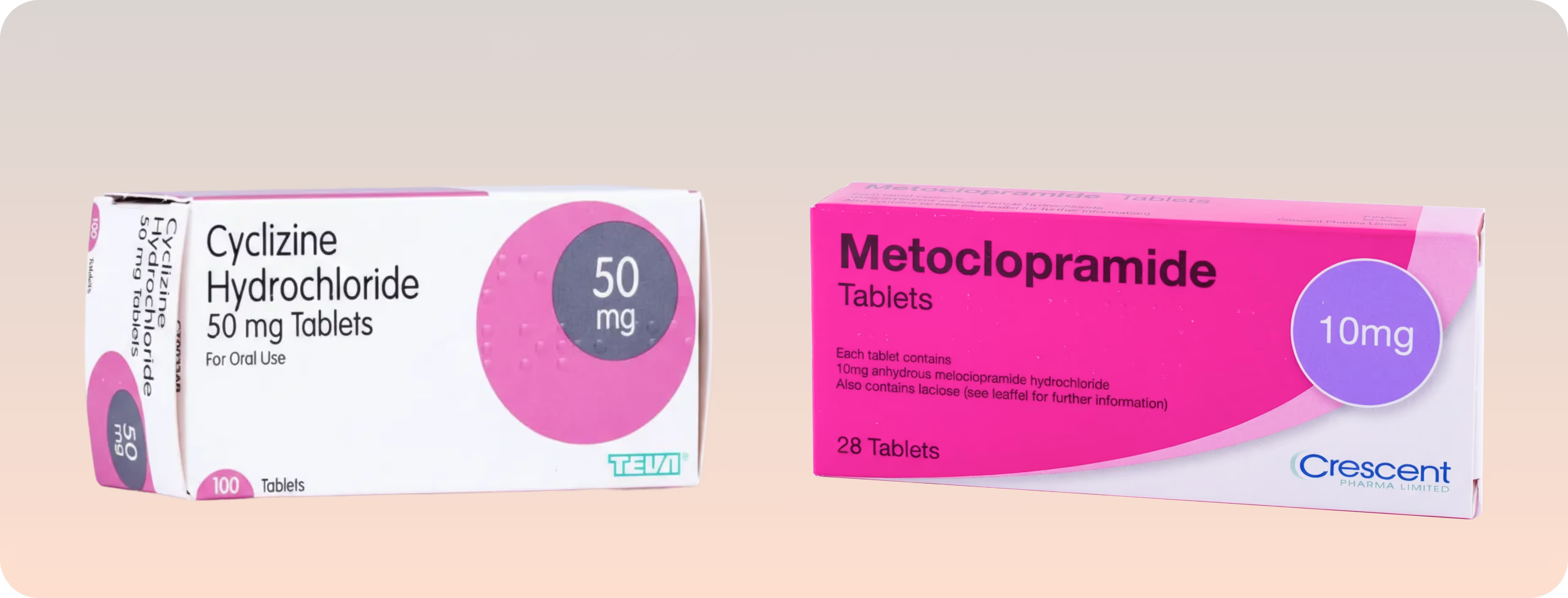
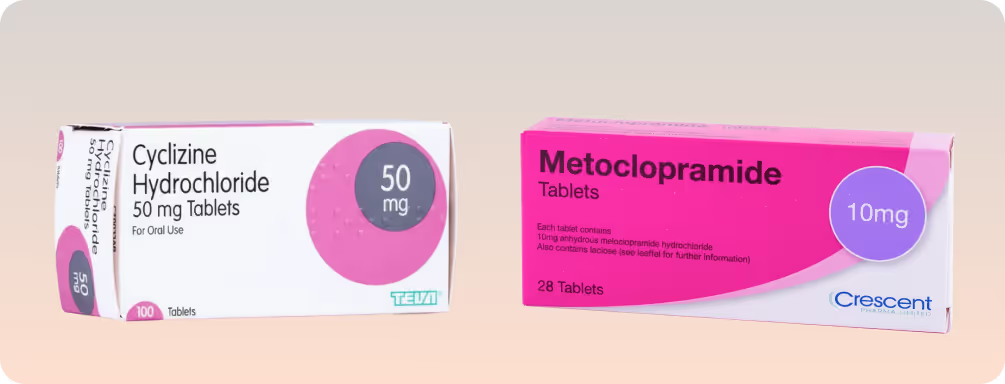
- Metoclopramide tablets primarily work by blocking “the vomiting centre” and chemoreceptor trigger zone (CTZ) of the brain, which helps to reduce the feeling of nausea. It also increases muscle contractions, moving food through the digestive system more quickly.
- Cyclizine tablets is an antihistamine that works by blocking histamine receptors in the area of the brain that controls vomiting. It also has some sedative properties that can help alleviate nausea.
Who can take anti-sickness tablets with GLP-1 agonists?
Anti-sickness tablets such as these can be prescribed to adults (18+) experiencing nauseaand vomiting as a side effect of their GLP-1 agonist treatment. A doctor will always make the decision, taking into account your health profile and any other medications you are taking.
However, it’s worth noting that some people will be less suited to taking certain anti-sicknesstablets, including:
- Anyone with a history of certain heart conditions or blood pressure issues (especially for cyclizine hydrochloride).
- Individuals with a history of epilepsy or Parkinson's disease (especially for metoclopramide).
- Patients with past instances of gastrointestinal obstruction, perforation or haemorrhage (for metoclopramide).
- Those with severe liver or kidney disease (likely not suited to GLP-1 agonists either).
- Pregnant or breastfeeding women – also anyone planning on getting pregnant (they shouldn’t be taking weight management tablets in the first place).
- Anyone who’s ever been allergic to any of the primary ingredients of the specific anti-sickness tablets.
- Individuals under 18 years old, unless specifically prescribed by a paediatric specialist.
The process should always be guided by a doctor.
Using anti-sickness tablets
Dosage & administration
Your cyclizine or metoclopramide dosage and the frequency of taking will be determined by your prescribing doctor, based on the severity of your symptoms and the specific medication.
- Metoclopramide 10mg | Typically taken up to 4 times a day, 30 minutes before meals, or as directed by your doctor. A common course might involve 28 tablets.
- Cyclizine 50mg | Usually taken up to 3 times a day, generally when you need it, or as directed by your doctor. A common course might involve 30 tablets.
Always follow your doctor's instructions and the medication's packaging for precise dosageand administration. Do not exceed the recommended dose.
Long-term use & maintenance
Anti-sickness tablets are generally considered safe for short-term use to manage acutesymptoms or during the initial adjustment period of GLP-1 agonist treatment. As a rule, onlytake them for a few days at a time. Long-term use isn’t generally recommended withoutclose medical supervision, as many medications can have cumulative side effects.
Where to store anti-sickness tablets?
KEEP OUT OF REACH OF CHILDREN AND VULNERABLE PARTIES
You need to store anti-sickness tablets mindfully to maintain their quality and efficacy. Follow these guidelines:
- Store the tablets in their original packaging, protected from light and moisture.
- Keep them at room temperature, typically below 25°C (77°F).
- Do not store them in the bathroom or other humid environments.
- Check the expiry date before taking them. Expired medication should be promptly disposed of.
- Keep any blister packs sealed until use.
What happens if you stop taking anti-sickness tablets?
If you stop taking anti-sickness tablets, like cyclizine and metoclopramide, and the underlying cause of your nausea (e.g., side effects from Ozempic/Mounjaro/Wegovy) is stillpresent, your nausea and vomiting symptoms may return. Generally, the tablets are only for transitional stages with the medication, but if
What are anti-sickness tablets?
Anti-sickness tablets (also known as antiemetics) are medications designed to prevent orrelieve nausea and vomiting. When taking GLP-1 agonists, weight management and type 2 diabetes medications like Ozempic, Mounjaro or Wegovy, some individuals may experience side effects, with nausea being one of the most common. Anti-sickness tablets can help manage these symptoms, making the treatment more tolerable.They should not be confused with weight loss tablets or fat burner tablets, albeit being usedas a support system for weight management treatments. It’s also important to note that youcan’t get the best anti-sickness tablets over the counter, with most only available through prescriptions.
Safety & side effects of anti-sickness tablets
It’s important to understand the side effects of metaclopramide and the side effects of cyclizine before you start taking either of the medications.
Metoclopramide side effects:
- Drowsiness/tiredness
- Dizziness
- Headache
- Diarrhoea or constipation
- Restlessness or agitation (especially in younger individuals)
- Weakness
Cyclizine side effects:
- Drowsiness/sleepiness
- Low mood
- Dizziness
- Dry mouth
- Blurred vision
- Constipation
Serious side effects & precautions
It’s worth noting that some more serious, long-term negative effects of anti-sickness tablets can arise. These aren’t common, considering you’re not supposed to take the pills for longer periods; however, you should still keep an eye out for them. They can include:
For metoclopramide:
- Extrapyramidal symptoms, such as Involuntary movements like muscle spasms, tremors, or stiffness. This risk increases with higher doses and prolonged use.
- Neuroleptic Malignant Syndrome (NMS), which is a rare but severe reaction
- involving fever, muscle rigidity, altered mental status, and autonomic instability.
- Depression
- Changes in heart rhythm
For cyclizine:
- Palpitations or changes in heart rate.
- Difficulty urinating.
- Confusion (especially in older adults).
- Allergic reactions (rash, itching, swelling).
If you suspect any of these side effects are taking place in your body, contact your doctor as quickly as possible.
Interactions with other medications
Anti-sickness tablets, like any other drug, might interact with other medications that you’re taking at any given time. Share information about anything you’re taking during consultations with your doctor as this could guide crucial treatment details.
For metoclopramide:
- Can increase the possibility of extrapyramidal symptoms if taken with other medications that affect dopamine levels (e.g., antipsychotics).
- Can affect the absorption of other oral medications due to accelerated gastric emptying.
- Increases the sedative effects of alcohol, sedatives and tranquillisers. fever, muscle rigidity, altered mental status, and autonomic instability.
For cyclizine:
- It’s likely to increase the sedative effects of alcohol, sedatives, tranquillisers and other CNS depressants.
- Can interact with other medications that have anticholinergic effects (e.g., tricyclic antidepressants, some Parkinson's medications), leading to increased side effects like dry mouth or confusion.
As a rule, always inform your doctor about all medications, supplements and herbalremedies you are currently taking to avoid potential interaction complications.
Can I drink alcohol while taking anti-sickness tablets?
In short, no. Approach alcohol with extreme caution when taking drugs like metoclopramideand cyclizine. Both medications can cause intense drowsiness and dizziness, with alcoholcan significantly enhance these effects, resulting in your breathing being compromised during sleep and making it difficult to wake up. While awake, this can also lead to impaired coordination and increased risk of accidents. It is generally advisable to completely avoid orseverely limit alcohol consumption while on these medications.
Effectiveness & results
In short, no. Approach alcohol with extreme caution when taking drugs like metoclopramideand cyclizine. Both medications can cause intense drowsiness and dizziness, with alcoholcan significantly enhance these effects, resulting in your breathing being compromised during sleep and making it difficult to wake up. While awake, this can also lead to impaired coordination and increased risk of accidents. It is generally advisable to completely avoid orseverely limit alcohol consumption while on these medications.
How effective are anti-sickness tablets?
Anti-sickness tablets are generally known to be very effective in managing nausea and vomiting associated with medications like Ozempic, Mounjaro and Wegovy. Many patients ind significant relief from their gastrointestinal symptoms, allowing them to continue their primary treatment with greater comfort and overcome the humps of the early stages or increased dosages.
How effectiveIndividual responses can vary, and some people may find one type of anti-sickness medication more effective or better tolerated than another. are anti-sickness tablets?
Practical information
Cost & Insurance coverage
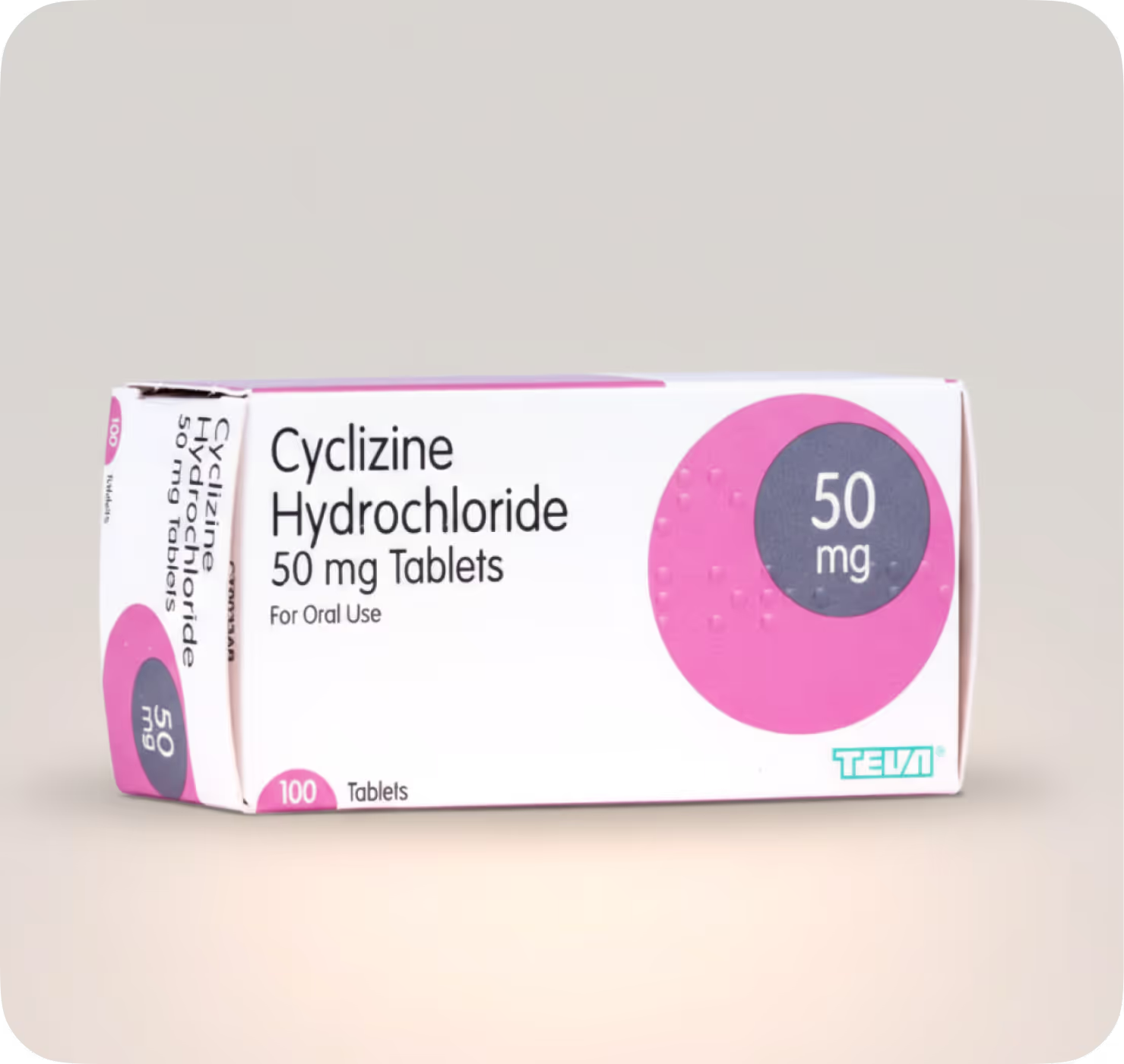
Cyclizine
50mg (30)
Start Consultation
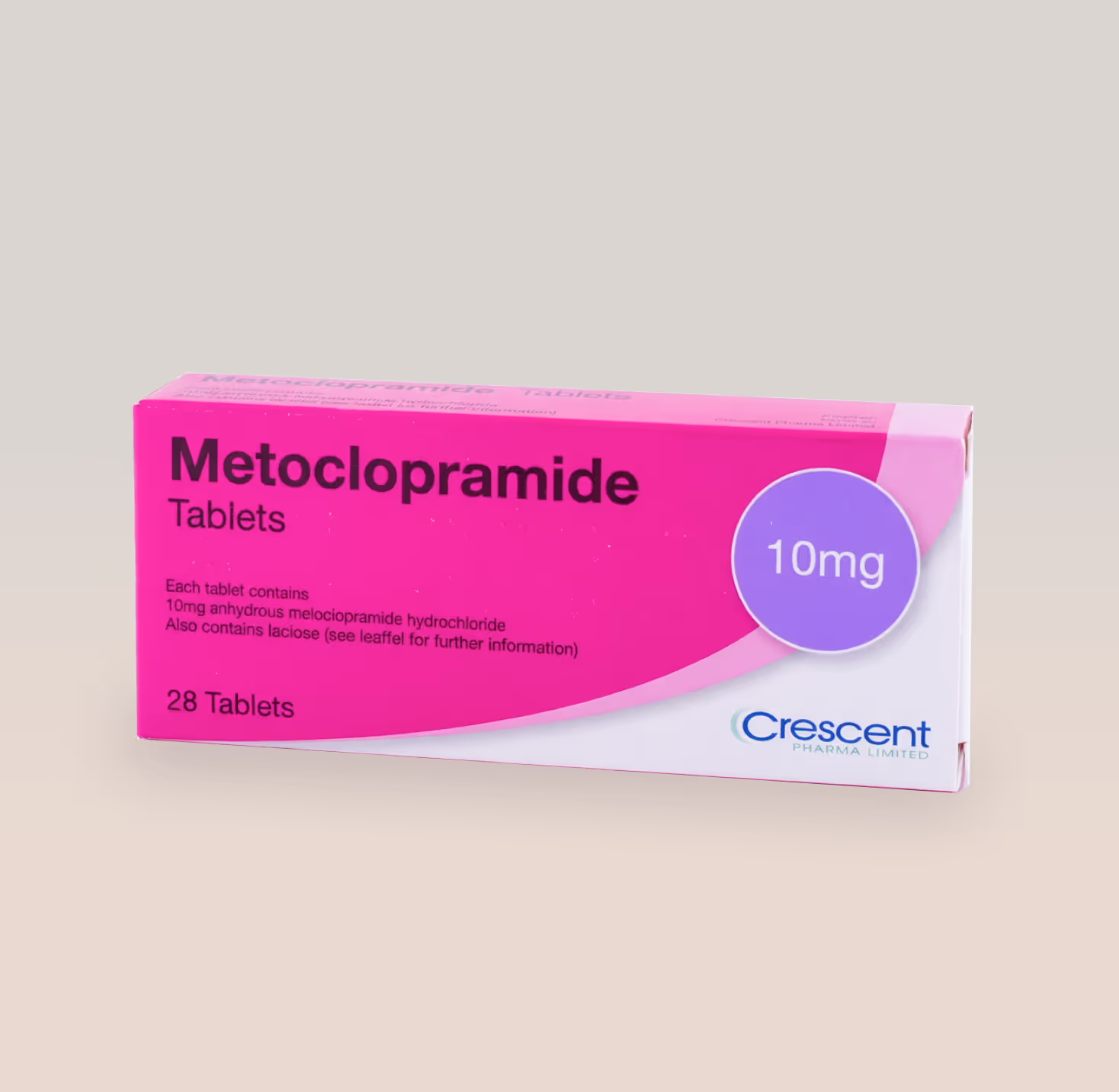
Metoclopramide
50mg (30)
Start Consultation
When it comes to anti-sickness tablets being covered by insurance or the NHS, there ispotential for you to save some money. Whether or not you’ll get coverage depends onwhether they are prescribed as part of a medically necessary treatment plan for managingside effects. If prescribed by a doctor for legitimate medical reasons, they might often becovered. However, policies vary, so as always, check with your specific insurance provider orlocal NHS guidelines.
It’s also worth noting that the NHS price is £9.90 per item, which is only £5.10 less than wegenerally charge, so the difference shouldn’t be too financially prohibitive.
How to get prescribed anti-sickness tablets?
If you are experiencing nausea or vomiting as a side effect of your Ozempic, Mounjaro or Wegovy treatment, you can secure a prescription through any legitimate channel. You need to go through an accredited prescription process with a doctor, either in person or through an online pharmacy service like ours. Your doctor will assess your symptoms and overall health to determine if medication is appropriate.
Where to buy anti-sickness tablets?
After securing your prescription, you can get these anti-sickness tablets from many pharmacies. Online pharmacies like Virtual Slimming Clinic can be the most convenient channel for obtaining your prescribed medication.
Availability & shortages
Common anti-sickness medications like metoclopramide and cyclizine are widely available. Shortages are uncommon but occasionally occur due to manufacturing or supply chainissues. If a specific medication is unavailable, your doctor may be able to suggest analternative.
Additional resources
Here are a few additional touches to cover the last things you might need.
Latest news & updates
Stay up to date on all things related to managing GLP-1 agonist side effects right here.
Alternative anti-sickness tablets
If metoclopramide or cyclizine are not suitable or effective for you, your doctor may consider other antiemetic options, depending on the cause and severity of your nausea. These could include:
- Ondansetron (Zofran), which is another commonly used antiemetic, is known for being effective for chemotherapy-induced nausea, but can be prescribed for other ypes of nausea too. It works by blocking serotonin receptors.
- Prochlorperazine, is an antiemetic that also has antipsychotic properties, effective for severe nausea and vomiting.
- Ginger supplements and herbal remedies can be helpful for mild nausea, but always consult your doctor before using herbal supplements, especially if you are on other medications.